Gender Differences in Receiving Support: Ayahuasca and Personal Transformation
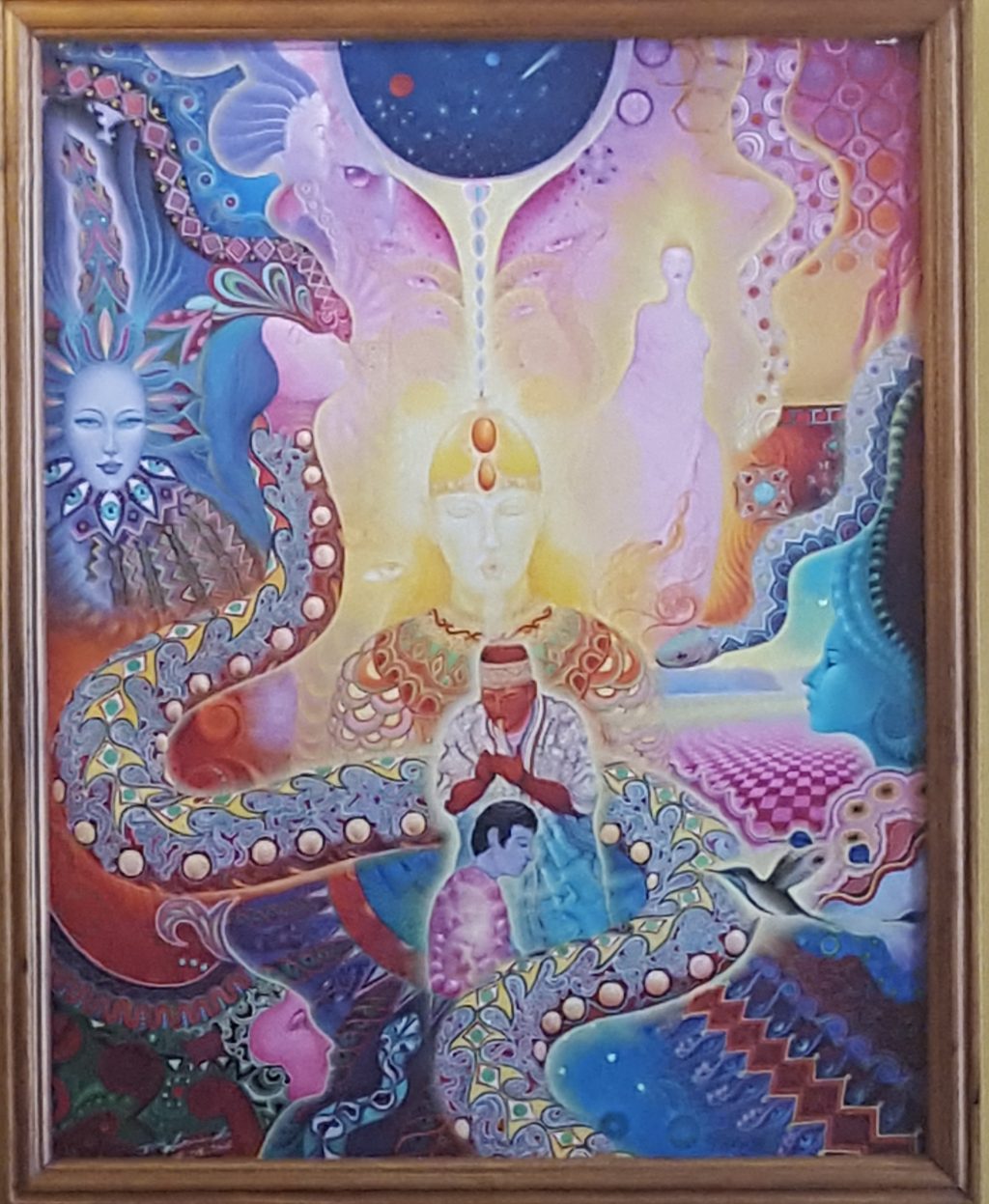
Receiving help is one of the most fundamental human needs. Yet, men and women respond to offers of support very differently. Understanding these differences is crucial for emotional development and explains why Ayahuasca can be particularly transformative for men, who often face inner resistance to accepting help, even in moments of deep stress or depression.
Modern men frequently grow up oriented toward external achievement, control, and emotional suppression, which makes accepting assistance especially difficult. Women, on the other hand, are often more open to receiving support, discussing it, and integrating it as a resource for restoration.
A retreat in Peru with Ayahuasca provides a unique space where these dynamics unfold and transform. In altered states of consciousness, participants can see their habitual patterns, process suppressed emotions, and integrate new ways of relating to themselves and others.
Placeholders for links:
Gender Differences in Receiving Help
Male Response – “I Don’t Need Help”
Men often respond to offers of support with a firm refusal: “No, I’m fine.” At first glance, this may seem distant or dismissive, but psychologically, it is a deep-seated defense mechanism.
Reasons include:
- Identity based on control and achievements
- Fear of vulnerability
- Social and cultural expectations of masculinity
Even when men are experiencing stress, depression, or emotional exhaustion, accepting help is challenging, especially if the support comes from a woman. Here, a double-layered protective mechanism is at play: acknowledging the need for help is perceived as a threat to ego and social role.
Ayahuasca provides a safe environment where men can face suppressed emotions, recognize vulnerability, and integrate it without losing their sense of strength.
Female Response – Openness and Dialogue
Women, in contrast, tend to be more receptive to help. They ask questions, explore options, and actively assess how support can be applied. Psychologically, this reflects a model oriented toward interaction, emotional cooperation, and relational connection.
Even in emotional crises, women can accept support as a resource, which allows access to inner reserves and accelerates recovery. Ayahuasca amplifies this ability by helping women process emotions more deeply, synchronize mind and body, and strengthen internal resources.
Emotional Suppression and Male Resistance to Support
Suppressed emotions are a central reason why men struggle to accept help. Social and cultural conditioning teaches men to hide fear, sadness, and vulnerability. Suppression creates a tension: the body and psyche signal a need for support, while the conscious self refuses it to maintain masculine identity.
Ayahuasca creates a safe space for emotional expression, allowing men to experience feelings they may have repressed for years. This process:
- releases tension
- integrates the “shadow”
- reshapes internal identity
From External to Internal Orientation Through Ayahuasca
Men who are accustomed to external achievement and control experience a radical shift during Ayahuasca ceremonies:
- external roles lose significance
- habitual identities dissolve
- attention is redirected inward
Women, conversely, use the experience to deepen emotional awareness, synchronize their inner resources, and expand their capacity for self-support.
The Peru retreat provides a supportive environment where participants can safely encounter their true need for help, process it fully, and integrate the experience into daily life.
Practical Effects on Life and Relationships
Participants often report:
- increased ability to ask for support without fear
- deeper emotional openness
- improved relationships with partners, friends, and colleagues
- inner resilience and a sense of wholeness
For men, this is particularly transformative: breaking free from external achievement-based identity opens the path to mature emotional awareness. For women, Ayahuasca strengthens internal resources and emotional balance.
Conclusion
Receiving help is essential for inner transformation. Men and women respond differently, and understanding these differences enhances the Ayahuasca experience.
A retreat in Peru provides a safe and supportive space to face suppressed emotions, embrace vulnerability, and reconstruct identity. For men, this is crucial for overcoming ego-based resistance; for women, it deepens emotional integration and resilience.
Through conscious processing and integration, participants gain the opportunity for profound personal and spiritual transformation.