How an Ayahuasca Ceremony Works – What Happens During the Ayahuasca Experience
For centuries, Indigenous cultures of the Amazon basin have worked with sacred plant medicines as tools for healing, insight, and spiritual connection. Among these medicines, Ayahuasca holds a unique place. The ceremonial use of this plant brew has been practiced for generations by shamans and healers who understand the profound psychological and spiritual effects it can produce.
In recent decades, interest in Ayahuasca ceremonies has grown worldwide. Scientists, psychologists, and spiritual seekers alike are exploring how this ancient practice can support emotional healing, personal transformation, and deeper understanding of consciousness.
Yet many people who first hear about ayahuasca ask a simple but important question:
What actually happens during an ayahuasca ceremony?
Understanding the structure and intention of the ceremony helps explain why the experience can be so powerful and why it must always be approached with respect, preparation, and proper guidance.
The Purpose of an Ayahuasca Ceremony
An Ayahuasca ceremony is not simply the act of drinking a psychoactive brew. In traditional Amazonian cultures, it is a carefully structured ritual designed to create a safe container for healing and self-discovery.
The ceremony serves several important purposes:
- emotional and psychological healing
- spiritual insight and self-understanding
- release of unresolved trauma
- connection with nature and the deeper self
- Universal insights
Shamans view Ayahuasca not as a recreational substance but as a teacher plant that reveals hidden aspects of the human psyche and helps restore balance.
Because of this, ceremonies are conducted with clear intentions, ritual preparation, and experienced guidance.
Preparation Before the Ceremony
One of the most important aspects of the ayahuasca process happens before the ceremony even begins.
Traditional preparation includes:
- dietary restrictions known as the ayahuasca dieta
- avoiding alcohol and certain medications
- reducing processed foods
- practicing meditation or reflection
- Contacts limitations
The purpose of this preparation is both physical and psychological.
From a physiological perspective, certain foods and medications may interact with the MAO inhibitors present in the ayahuasca brew. Avoiding these substances helps ensure safety.
From a psychological perspective, preparation helps participants clarify their intentions and enter the ceremony with openness and respect.
Many experienced facilitators encourage participants to reflect on questions such as:
- What do I hope to learn or heal?
- What patterns in my life need attention?
- What am I ready to release?
Setting a clear intention often helps guide the inner process that unfolds during the ceremony.
The Ceremonial Setting
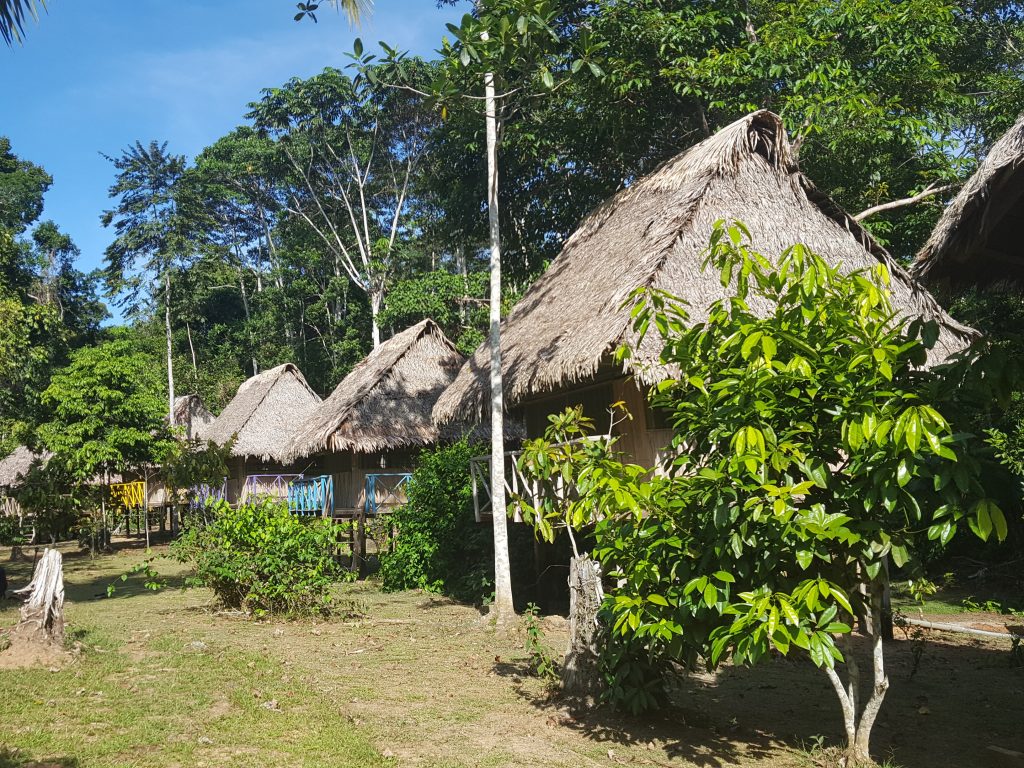
Ayahuasca ceremonies usually take place at night, often in a quiet ceremonial space sometimes called a maloca, a traditional round structure used in Amazonian communities.
Participants typically sit or lie down on individual mats arranged in a circle or around the room.
The environment is intentionally simple and calm.
Lighting is usually minimal, allowing participants to focus inward rather than on external distractions.
The ceremony is guided by an experienced facilitator or curandero – a traditional shaman who leads the energetic and ritual aspects of the night.
Music also plays a central role.
Many shamans sing traditional healing songs known as icaros, which are believed to guide the energetic flow of the ceremony and support participants during their inner journeys.
Drinking the Ayahuasca Brew
At the beginning of the ceremony, participants are invited one by one to receive a small cup of the Ayahuasca brew.
The taste of the medicine is typically described as bitter and earthy, reflecting the powerful plants from which it is prepared.
After drinking, participants return to their places and wait quietly as the medicine begins to take effect.
The onset of the experience can vary depending on the individual, but effects usually begin within 30 to 60 minutes.
During this period, many people feel subtle changes in body awareness, emotional sensitivity, and perception.
The Beginning of the Experience
As the medicine begins to work, participants often experience changes in sensory perception and internal awareness.
Common early sensations include:
- increased emotional sensitivity
- heightened body awareness
- vivid inner imagery
- feelings of introspection
For many people, the experience unfolds gradually, moving from physical sensations to deeper emotional or psychological insights.
The ceremony space remains quiet and supportive while participants explore their inner landscapes.
The Purging Process
One aspect of Ayahuasca ceremonies that is often misunderstood is the phenomenon known as purging.
Participants may experience nausea or vomiting during the ceremony.
In traditional Amazonian understanding, this process is viewed as a form of cleansing rather than simply a physical reaction.
The purge may represent the release of emotional tension, unresolved memories, or energetic blockages.
While not everyone experiences this strongly, many participants report feeling lighter or clearer after the process occurs.
Visionary Experiences
As the ceremony progresses, many participants begin to experience visions or symbolic imagery.
These visions can vary widely and may include:
- geometric patterns
- images from nature
- memories from childhood
- symbolic or archetypal imagery
Some people also experience powerful emotional insights or realizations about relationships, life choices, or personal patterns.
Modern neuroscience suggests that these experiences may be related to changes in brain network connectivity that occur during the ayahuasca state.
The medicine appears to temporarily reduce rigid thinking patterns, allowing the brain to explore new perspectives.
Emotional and Psychological Healing
One of the most important aspects of the Ayahuasca experience is the opportunity to process deeply held emotions.
Participants often encounter memories or feelings that have been suppressed or avoided.
Although this process can be challenging at times, many people describe it as profoundly healing.
The experience may allow individuals to:
- confront unresolved trauma
- forgive past experiences
- gain clarity about personal relationships
- reconnect with their authentic values
This emotional processing is one reason ayahuasca has attracted interest from psychologists studying trauma and mental health.
Spiritual Insights
Beyond emotional healing, many participants report profound spiritual insights during Ayahuasca ceremonies.
These experiences may include:
- a sense of unity with nature
- feelings of deep compassion
- perception of interconnectedness
- encounters with symbolic spiritual imagery
For some individuals, the experience can shift their understanding of life, purpose, and consciousness.
The Role of the Facilitator
The presence of a skilled facilitator or traditional shaman is essential for a safe and meaningful ceremony.
The facilitator helps maintain the energetic structure of the space and supports participants if challenging emotions arise.
In traditional ceremonies, shamans may use tools such as:
- sacred songs (icaros)
- mapacho tobacco
- aromatic plants
- energetic cleansing practices
These elements are intended to guide and stabilize the process.
The Importance of Integration
The Ayahuasca experience does not end when the ceremony finishes.
In fact, many practitioners emphasize that integration is the most important part of the process.
Integration involves reflecting on the insights gained and applying them to everyday life.
Practices that support integration include:
- journaling
- meditation
- therapy or coaching
- time in nature
Without integration, the insights from the ceremony may fade quickly.
Experiencing Ayahuasca in a Safe Setting
Because Ayahuasca produces powerful psychological effects, it is essential to participate only in ceremonies that prioritize safety, preparation, and respect for traditional knowledge.
A well-structured retreat typically provides:
- preparation guidance
- experienced facilitators
- integration support
- a calm natural environment
If you feel called to explore this ancient plant medicine in its traditional context, you can learn more about the following program:
Ayahuasca Retreat in Peru
These retreats offer an opportunity for deep emotional healing and personal transformation while honoring the ancient wisdom of Amazonian traditions.