Shipibo Tribe of the Amazon – Sacred Guardians of Ayahuasca and Indigenous Wisdom of Peru
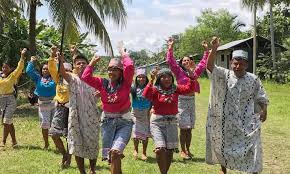
Deep within the Amazon rainforest of Peru live indigenous cultures whose spiritual traditions have been preserved for centuries. These traditions are rooted in a profound understanding of nature, consciousness, and the healing power of plants.
Among the most respected guardians of this knowledge are the Shipibo-Conibo people, a culture known for its mastery of plant medicine and its deep relationship with the sacred ceremony of Ayahuasca.
For generations, Shipibo healers have guided individuals through spiritual healing journeys, helping restore balance between body, mind, and spirit.
Today, people from around the world travel to the Amazon to learn from these traditions during an Ayahuasca retreat in Peru, seeking insight, healing, and transformation.
Life Along the Amazon River
The Shipibo people live primarily along the banks of the Ucayali River, one of the great waterways of the Amazon basin.
Their villages are surrounded by dense rainforest, a living ecosystem that provides food, medicine, and spiritual guidance.
For the Shipibo, the forest is not simply an environment. It is a living spiritual universe, where plants, animals, rivers, and humans exist in deep relationship.
Children grow up learning to respect nature as a conscious presence. The rainforest is understood as a place of wisdom where the spirits of plants can teach humans how to live in balance.
Ayahuasca as a Teacher Plant
Within Shipibo tradition, Ayahuasca is not viewed as a drug or psychedelic substance. Instead, it is considered a plant teacher that reveals knowledge, healing, and spiritual insight.
During ceremonies, experienced healers guide participants through the journey with sacred songs called Icaros.
Each Icaro is believed to carry a specific healing vibration. Some songs cleanse negative energies, while others support emotional healing or spiritual protection.
These songs are not written or recorded in the traditional sense. They are learned directly through spiritual practice and communication with plant spirits.
For this reason, Shipibo shamans often say that the plants themselves teach the songs.
The Sacred Geometry of Shipibo Art
One of the most recognizable aspects of Shipibo culture is their intricate geometric artwork known as Kené patterns.
These designs appear on clothing, pottery, textiles, and ceremonial objects.
According to Shipibo tradition, these patterns are not simply decorative. They represent the energetic structure of the universe that shamans perceive during Ayahuasca visions.
The patterns are believed to be visual expressions of the same healing vibrations transmitted through Icaros.
In this way, Shipibo art is considered both a spiritual map and a form of medicine, capable of harmonizing energy and protecting sacred spaces.
The Path of Becoming a Shaman
Becoming a healer within Shipibo culture is not a quick process. It requires years, sometimes decades, of dedicated training.
Apprentices often undergo long periods of isolation in the rainforest, where they work with specific master plants and follow strict spiritual disciplines.
These practices include the sacred plant dieta, a form of purification where participants avoid certain foods, social contact, and sensory distractions.
The purpose of this discipline is to develop a deeper sensitivity to the energetic world and the teachings of the plants.
Through this process, future healers learn how to guide ceremonies and support others in their healing journeys.
Other Indigenous Traditions of the Peruvian Amazon
While the Shipibo are among the most recognized traditions associated with Ayahuasca, they are not the only indigenous culture preserving plant medicine knowledge.
The Amazon is home to many tribes, each with its own spiritual practices and healing traditions.
One example is the Asháninka people, one of the largest indigenous communities in the Peruvian Amazon.
The Asháninka possess extensive knowledge of medicinal plants and maintain strong spiritual traditions connected to the forest.
Another group, the Matsés people, are renowned for their deep understanding of rainforest ecology and plant-based medicine.
These cultures remind us that the Amazon rainforest is not only a natural treasure but also a vast library of ancient knowledge.
Indigenous Wisdom and the Modern World
In recent decades, global interest in plant medicine has increased significantly. Many people feel called to explore deeper levels of consciousness and healing.
However, indigenous traditions emphasize that sacred plants must be approached with humility, respect, and preparation.
The ceremonies are part of a much larger worldview that values harmony with nature and responsibility toward spiritual knowledge.
Understanding the cultural roots of Ayahuasca helps protect these traditions and ensures that they continue to be honored rather than misunderstood.
Experiencing the Amazon Tradition Today
For those who feel drawn to explore plant medicine within its traditional environment, Peru offers a unique opportunity.
The Amazon rainforest itself becomes part of the journey – a place where silence, nature, and ceremony come together to support deep reflection and healing.
Participating in an Ayahuasca retreat in Peru allows visitors to experience these traditions in their authentic cultural setting.
Learn more about the retreat here:
https://amoreischool.com/ayahuasca-retreat-peru-2026/
The retreat is guided by Nina RadaRaNi and the AMOREI project, creating a respectful and spiritually grounded space for those seeking transformation through the wisdom of Amazonian plant medicine.