Welcome to Celestial Project Amorei, here Love is in Charge
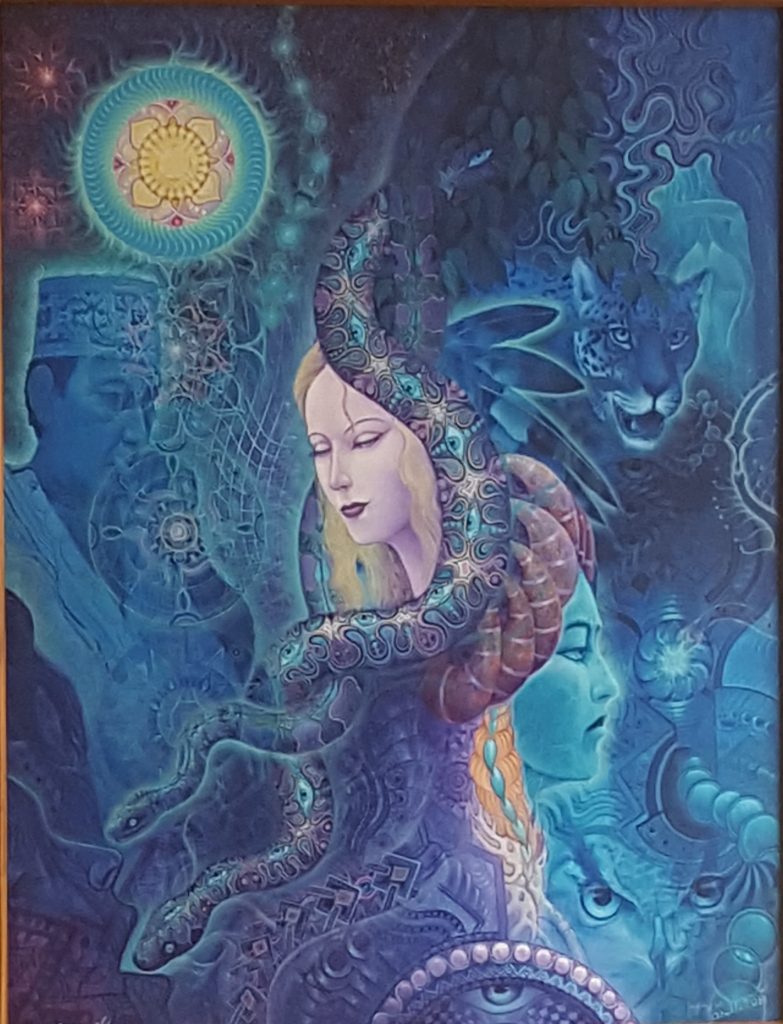
Ayahuasca is one of the most fascinating and complex plant medicines known to humanity. For centuries, Indigenous peoples of the Amazon rainforest have prepared this sacred brew as part of ceremonial healing practices that address emotional, physical, and spiritual imbalance.
Today ayahuasca is increasingly studied by scientists, psychologists, and medical researchers who are trying to understand how this ancient medicine works in the human brain. At the center of this interest lies one of the most powerful naturally occurring psychedelic compounds known to science – DMT (dimethyltryptamine).
Understanding the chemical composition of ayahuasca requires looking beyond a single molecule. The medicine is not simply a psychedelic substance but a sophisticated botanical preparation that combines several plants working in biochemical synergy.
This unique combination allows the brew to influence human consciousness in ways that modern science is only beginning to understand.
Ayahuasca is a traditional Amazonian plant medicine prepared as a tea or decoction made from several plants. The brew is most commonly consumed during ceremonial rituals led by trained shamans or curanderos.
The word Ayahuasca comes from the Quechua language and is often translated as “vine of the soul” or “vine of the spirits.” The name itself reflects how Indigenous cultures view the medicine – not merely as a chemical compound but as a sacred bridge between the physical and spiritual worlds.
The core ingredients of ayahuasca typically include two primary plants:
When these plants are combined in the correct proportions and prepared through traditional methods, they create a powerful psychoactive brew capable of producing profound visionary experiences.
The first and most essential ingredient of ayahuasca is Banisteriopsis caapi, a large jungle vine that grows throughout the Amazon basin.
This plant contains a group of naturally occurring compounds called beta-carboline alkaloids, primarily:
These compounds act as monoamine oxidase inhibitors (MAOIs).
To understand why this matters, we need to consider how the human body normally processes psychoactive molecules.
The digestive system contains enzymes known as monoamine oxidase (MAO). These enzymes break down many naturally occurring psychoactive compounds before they can reach the brain.
If DMT is consumed orally on its own, these enzymes destroy it almost immediately, preventing any psychoactive effect.
However, the MAO inhibitors found in the caapi vine temporarily block this metabolic process. When MAO activity is suppressed, DMT molecules are able to pass through the digestive system and enter the bloodstream, eventually reaching the brain.
In other words, Banisteriopsis caapi activates the gateway that allows DMT to work.
But the vine itself is far more than a biochemical facilitator.
Traditional Amazonian healers consider the vine to be the true teacher plant of the ayahuasca brew. Many experienced practitioners report that the vine carries its own psychoactive and healing properties independent of the DMT-containing plants.
Scientific research has also shown that the beta-carbolines found in caapi may have:
For this reason, some traditional brews contain large quantities of caapi vine and only small amounts of DMT-containing plants.
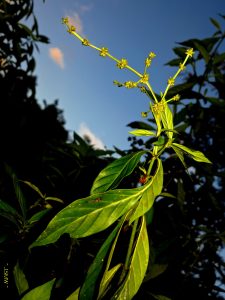
The second major ingredient in ayahuasca is Psychotria viridis, commonly known as chakruna.
Chakruna is a tropical shrub native to the Amazon rainforest. Its leaves contain significant concentrations of DMT (dimethyltryptamine) – one of the most potent naturally occurring psychedelic compounds known.
DMT belongs to a class of molecules known as tryptamines, which are structurally related to serotonin, an important neurotransmitter involved in mood, perception, and cognition.
When DMT becomes active in the brain, it interacts with serotonin receptors, particularly 5-HT2A receptors, producing changes in perception, cognition, and emotional processing.
In ceremonial contexts, this interaction often manifests as:
These experiences are often described as highly meaningful and psychologically transformative.
One of the most intriguing aspects of DMT is that it is not limited to plants.
Research suggests that small amounts of DMT may be naturally produced in the human body. Trace amounts have been detected in human blood, urine, and cerebrospinal fluid.
Some researchers have proposed that DMT may play a role in:
Although the exact biological role of endogenous DMT remains uncertain, the discovery has fueled ongoing research into the biochemical foundations of consciousness.
In the context of ayahuasca ceremonies, DMT appears to open a temporary window into deeper layers of the human psyche.
Participants frequently report experiences that include:
Modern neuroscience suggests that these experiences may result from changes in brain network connectivity, particularly the temporary reduction of activity in the default mode network, a system associated with self-referential thinking.
When this network quiets, the brain becomes more flexible and capable of forming new connections between previously separate mental processes.
Although Banisteriopsis caapi and Psychotria viridis form the foundation of ayahuasca, many traditional brews include additional plants known as admixtures.
The choice of plants varies depending on the shamanic lineage, regional traditions, and the specific healing intentions of a ceremony.
These plants may contribute medicinal, energetic, or visionary qualities to the brew.
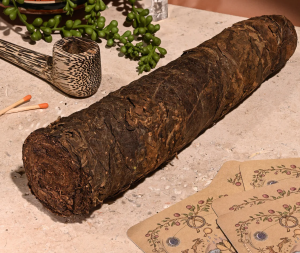
One of the most important ritual plants used in ayahuasca ceremonies is Nicotiana rustica, commonly known as mapacho.
This variety of tobacco is significantly stronger than commercial tobacco products and has been used as a sacred medicine in South America for centuries.
Mapacho is often used during ceremonies for:
Shamans frequently blow mapacho smoke as a blessing or protective gesture before and during the ceremony.
Another plant occasionally used in small amounts is Brugmansia, also known as angel’s trumpet.
This plant contains potent tropane alkaloids that can produce extremely powerful psychoactive effects.
However, Brugmansia is also highly toxic and must only be used by experienced traditional healers who understand its properties and spiritual significance.
For this reason, many contemporary ayahuasca traditions avoid its use entirely.
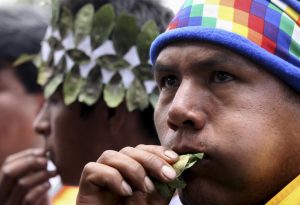
The coca plant (Erythroxylum coca) has been used for thousands of years by Indigenous cultures of the Andes.
When consumed as whole leaves or tea, coca provides mild stimulation and nutritional benefits without the harmful effects associated with refined cocaine.
Coca leaves contain a variety of beneficial compounds including:
In traditional cultures they are used to enhance endurance, regulate metabolism, and support adaptation to high altitude.
Another plant commonly used around ayahuasca ceremonies is Palo Santo, a sacred aromatic wood traditionally burned as incense.
The smoke is believed to cleanse negative energy and prepare the ceremonial space.
Scientific research has also found that Palo Santo contains aromatic compounds with antibacterial and anti-inflammatory properties.
While the chemical interactions of ayahuasca are fascinating from a scientific perspective, traditional cultures emphasize that the medicine works on multiple levels.
In Amazonian cosmology, plants are not merely chemical substances but living intelligences capable of teaching, healing, and guiding human beings.
Ceremonies are therefore conducted with deep respect, ritual preparation, and guidance from experienced healers.
Participants often describe the experience not simply as a psychedelic event but as a process of emotional and spiritual purification.
In recent years ayahuasca has attracted growing interest from researchers studying mental health and consciousness.
Preliminary studies suggest potential benefits for:
These findings have led many scientists to reconsider the therapeutic potential of traditional plant medicines.
However, researchers also emphasize the importance of proper ceremonial context and psychological preparation.
For those who feel called to explore ayahuasca, the safest and most respectful approach is to participate in ceremonies guided by experienced facilitators who honor traditional practices.
A properly guided retreat provides:
If you would like to learn more about a traditional retreat experience in Peru, you can explore the following program:
These retreats are designed to provide a safe environment for deep emotional healing, personal insight, and spiritual growth while honoring the ancient traditions from which this medicine originates.
Experience the transformation to a happier, healthier you
with our events, seminars and retreats!
Amorei School of Divine Consciousness
© 2026 Amorei School. Built using WordPress and OnePage Express Theme.