Ayahuasca vs DMT – Understanding the Difference
In recent years, interest in psychedelic research and plant medicine has grown significantly around the world. Among the most discussed substances are Ayahuasca, the sacred Amazonian plant medicine, and Dimethyltryptamine, often called the “Spirit Molecule.”
Because Ayahuasca contains DMT, many people assume that these two experiences are the same. However, in reality they are very different in context, preparation, intention, and spiritual meaning.
Understanding the difference between Ayahuasca and pure DMT helps clarify why so many people travel to Peru for traditional ceremonies rather than seeking isolated chemical experiences.
What Is DMT?
DMT, or Dimethyltryptamine, is a naturally occurring compound found in many plants and animals. It belongs to a class of molecules known as tryptamines and is chemically related to neurotransmitters such as serotonin.
When consumed in certain forms, DMT can produce extremely intense visionary experiences that may include:
- powerful visual imagery
- altered perception of reality
- sensations of entering other dimensions
- encounters with symbolic or archetypal forms
- profound shifts in perception of time and identity
Modern scientific interest in DMT expanded after the publication of DMT: The Spirit Molecule, which explored research into its effects on consciousness.
These studies opened new discussions about the nature of perception, spirituality, and the brain.
However, while DMT as a molecule can produce powerful experiences, it is only one component of the broader Ayahuasca tradition.
What Is Ayahuasca?
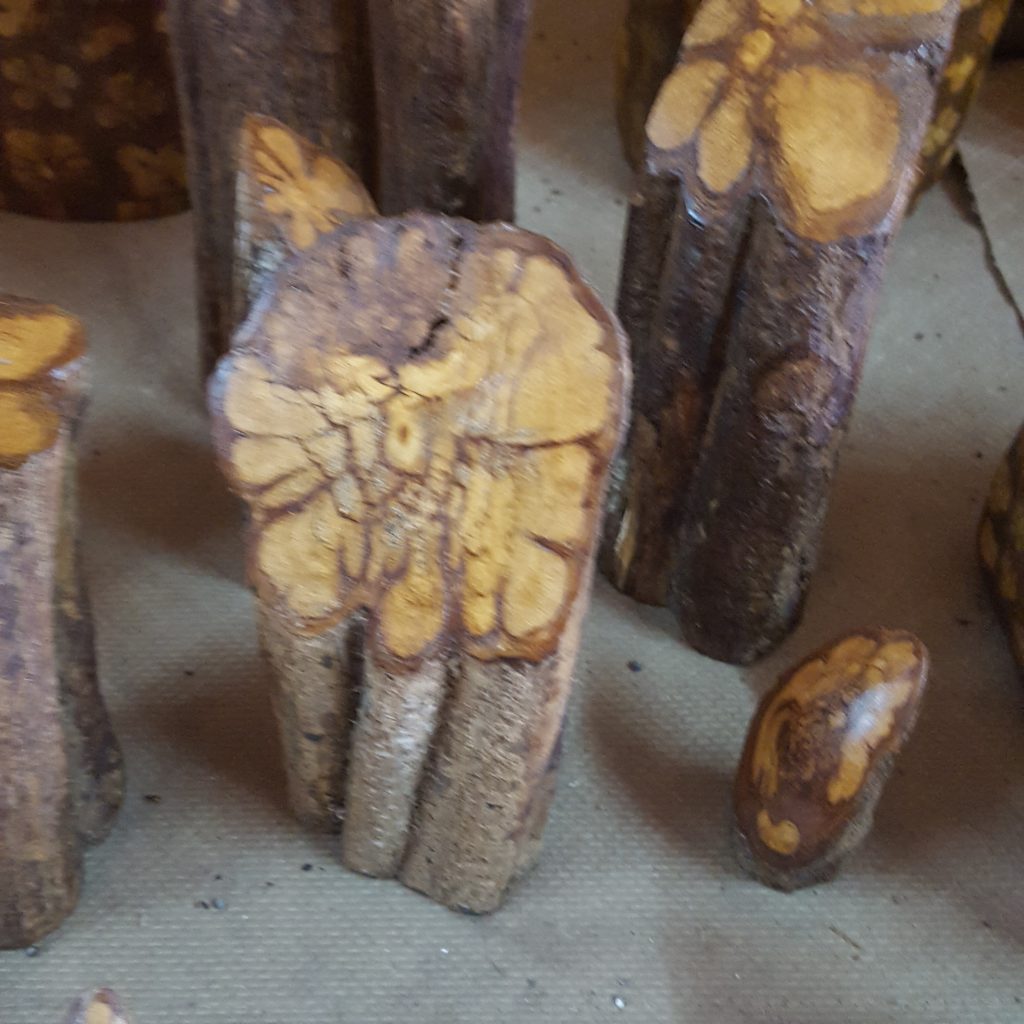
Ayahuasca is not a single substance but a sacred plant medicine created from multiple plants used together in traditional Amazonian ceremonies.
The brew is typically made from two primary plants:
- Banisteriopsis caapi vine
- Psychotria viridis leaves
The leaves contain natural DMT, while the vine contains compounds that allow the body to absorb and process the molecule when the brew is consumed orally.
This botanical combination represents an extraordinary example of indigenous plant knowledge developed over centuries.
Yet the most important difference between Ayahuasca and isolated DMT is not only chemical – it is spiritual and cultural.
The Role of Ceremony and Spiritual Guidance
In Amazonian traditions, Ayahuasca is always used within a ceremonial context guided by experienced shamans or facilitators.
The ceremony includes:
- sacred songs known as icaros
- energetic cleansing rituals
- protective spiritual practices
- intentional guidance during the journey
The purpose of the ceremony is not simply to produce visions but to support healing, insight, and spiritual growth.
In contrast, isolated DMT experiences outside ceremonial frameworks are often short, intense, and lacking the traditional structures that guide integration and healing.
This is one of the main reasons many seekers prefer Ayahuasca retreats in Peru, where the medicine is used within its original cultural context.
The Duration and Depth of the Experience
Another key difference between Ayahuasca and pure DMT lies in the duration and rhythm of the experience.
Pure DMT experiences are often extremely brief, lasting only a few minutes but producing highly intense sensations.
Ayahuasca ceremonies, on the other hand, unfold gradually over several hours.
This slower process allows participants to move through layers of insight, emotion, and reflection in a more integrated way.
Many people describe Ayahuasca journeys as a dialogue with the medicine rather than a sudden overwhelming experience.
Healing and Emotional Insight
Ayahuasca ceremonies are widely known for helping participants explore deep emotional and psychological patterns.
During ceremonies, people often report experiences such as:
- revisiting important memories
- releasing long-held emotional tension
- understanding repeating life patterns
- reconnecting with a deeper sense of purpose
Because the experience unfolds over several hours in a supportive environment, participants are often able to process these insights more fully.
This therapeutic dimension is one of the reasons Ayahuasca retreats have attracted global interest.
Why People Travel to Peru for Ayahuasca
While information about DMT is now widely available, many people choose to travel to the Amazon rather than seek isolated psychedelic experiences.
There are several reasons for this.
First, Peru offers access to authentic indigenous traditions where Ayahuasca ceremonies have been practiced for generations.
Second, the natural environment of the Amazon creates a powerful setting for introspection and transformation.
Finally, traditional retreats often include preparation practices, integration discussions, and supportive community environments that help participants process their experiences safely.
For many people, this context makes the difference between a temporary psychedelic experience and a meaningful spiritual journey.
A Sacred Path of Exploration
Both DMT research and Ayahuasca traditions invite humanity to explore deeper questions about consciousness and the nature of reality.
While pure DMT highlights the fascinating chemistry of the brain, Ayahuasca represents a living spiritual tradition that integrates plant medicine, ceremony, and ancestral wisdom.
For those who feel called to explore this path in its traditional environment, an Ayahuasca retreat in Peru offers an opportunity for deep personal insight and transformation.
You can learn more about our retreat here:
The retreat is guided by Nina RadaRaNi and the AMOREI project, creating a safe and spiritually grounded space for participants to explore the wisdom of the Amazon.